Trending

Hold a piece of amber to the light and you may see more than a warm golden glow. A leg. A wing. A fragment of fern. These trapped remains are inclusions, and they are one of the main reasons amber collecting grips people so firmly. They turn a lump of fossilised resin into a tiny time capsule, preserving moments from forests that vanished millions of years ago. This guide explains what inclusions are, how they form, and how to judge them as a collector.
An inclusion is any object or trace trapped inside resin that survived fossilisation. Most people picture insects, and insects are indeed common. But the category is wider than that. Spiders, mites, millipedes, springtails, nematodes, feathers, mammal hair, plant fragments, pollen, flowers, fungi, air bubbles and sediment grains can all count as inclusions.
Some inclusions are biological. Others are geological, such as mineral grains or tiny cracks filled with pyrite. A piece with several organisms trapped together is said to have syninclusions. That can make a specimen far more interesting than a single, isolated insect, because it shows a brief snapshot of several creatures sharing the same patch of resin.
Not every inclusion is a fossil in the strictest sense. A bubble is a physical feature, not a once-living thing. But collectors still use the word broadly, and dealers often describe any visible trapped object as an inclusion.
Amber begins as resin, not sap. When a tree suffers damage from a storm, a boring beetle or simple growth stress, it releases sticky resin to seal the wound. That resin is the trap. An insect lands, brushes against it, and cannot pull free. More resin flows over the body, sealing it from the air.
Over time, the resin hardens. Volatile compounds evaporate, and the material undergoes polymerisation. If it is then buried in sediment, deprived of oxygen and subjected to pressure and gentle heat over millions of years, it can become amber. Later, erosion or mining brings it back to the surface.
Copal is younger resin, often only thousands or hundreds of thousands of years old. It can contain insects that look strikingly modern because they are geologically recent. Copal is softer, less polymerised and usually less stable. Many beginner mistakes come from buying copal as amber, especially when the inclusion is large and perfectly preserved.
The range is enormous, but most finds fall into a few groups.
What makes one inclusion more interesting than another? Preservation matters. A fly with visible compound eyes and wing venation is more compelling than a dark smudge. Rarity matters too. A hunting spider with prey, or a female insect carrying eggs, can be more desirable than a common gnat. Context helps: a piece that shows behaviour, not just a body, is often remembered.
Inclusions give amber its scientific and emotional pull. A single piece can preserve soft tissue, colour patterns, hairs and delicate wing structures that rarely survive in rock fossils. For collectors, that means each specimen is a small window into an ancient ecosystem.
Value is not only financial. It comes from several overlapping factors:
If you are spending a significant sum, ask about provenance, request clear photographs and check the return policy. For high-value pieces, an expert opinion is worth seeking before you buy.
You do not need expensive equipment to start. A 10x loupe, a bright LED light and a dark background will reveal a great deal. Work slowly. Rotate the piece and let the light move across the inclusion from the side as well as from behind.
Look for antennae, legs, claws, hairs, wing veins and mouthparts. These details separate a well-preserved specimen from a vague outline. A smartphone macro lens can help you record what you see, but keep the specimen cool and avoid prolonged heat from lamps.
Store amber away from direct sunlight and heat. UV light and high temperatures can darken resin over time, and sudden temperature changes can encourage cracks.
Fakes range from modern insects set in plastic to genuine copal with recent inclusions, and from reconstituted amber to clever composites. No single home test is conclusive, and some tests can damage the piece, so start with careful observation.
Avoid acetone or other solvents on any piece with an inclusion. They can dull the surface or cause further damage. If a specimen is expensive, buy from a dealer with a clear description, a documented origin and a returns policy. For serious purchases, a recognised laboratory or experienced specialist can provide a more reliable opinion.
Start with common, well-preserved inclusions. Learn what good detail looks like before chasing rare names. Buy from dealers who answer questions clearly, and keep a simple record of each piece: where it came from, what it contains and when you acquired it. Store specimens in padded boxes, away from heat and light. Join a fossil or amber club if you can; handling other people's pieces is one of the fastest ways to train your eye.
Before collecting in the field or importing specimens, check the relevant local rules, as these vary by country. If you are buying at a significant level, take advice from a specialist dealer or valuer. Most of all, collect what you enjoy looking at. A modest piece with a beautifully preserved insect will teach you more than a cabinet full of vague brown lumps.
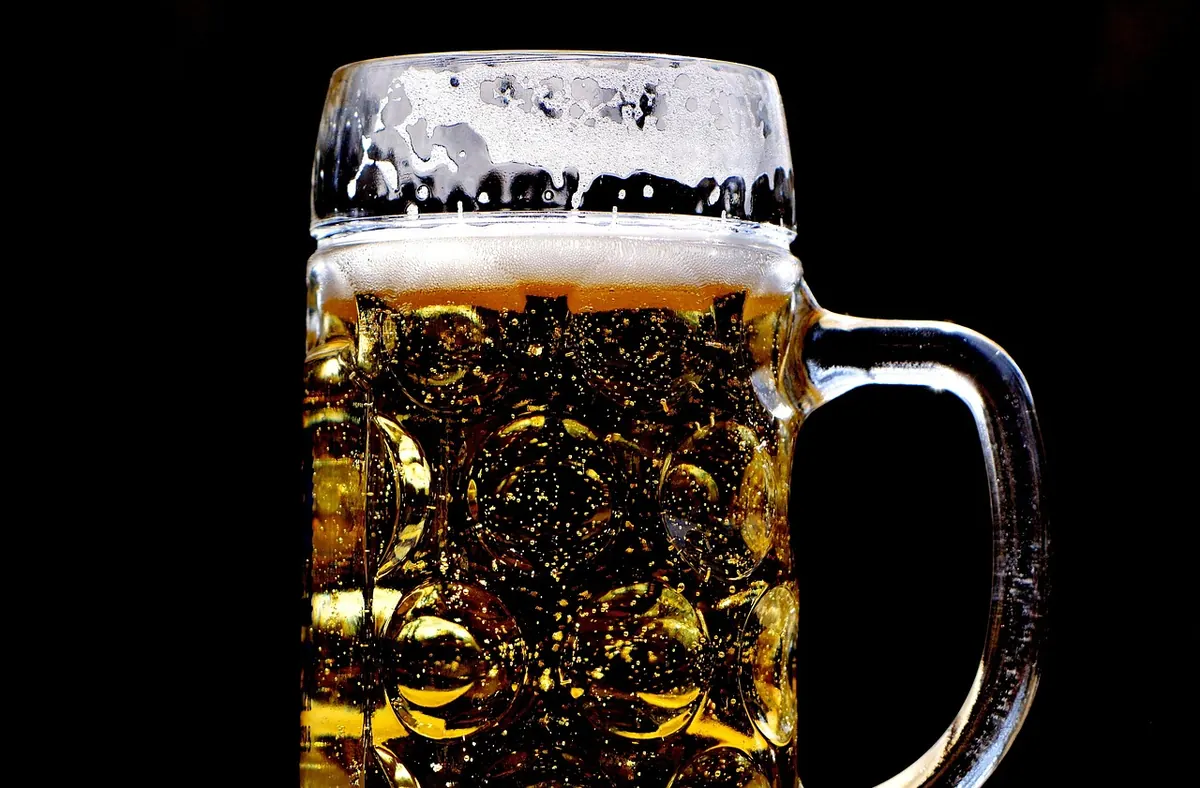
Photo: Alexas_Fotos / Pixabay